Which Bra Is Right for You? Learn More


Most activewear brands approach sizing backward. They design a sports bra for a 34B, test it on similar bodies, and then scale the pattern up and down. The result is a size 4X that's just a stretched version of a size small, with the same strap placement, the same band ratio, and the same performance limitations.
Real size inclusivity works differently. It starts by acknowledging that a 32A and a 38DD aren't just different in volume. They're different in how weight distributes, where support needs to anchor, and how fabric should move. When activewear companies design for all breast types from the beginning rather than retrofitting a single template, they create gear that actually performs across the size spectrum.
This distinction matters because it determines whether millions of women can participate in fitness activities comfortably or spend their workouts fighting clothes that don't work. The activewear industry is slowly recognizing this, but understanding what genuine size inclusivity looks like helps you identify brands delivering real solutions versus those just adding numbers to a size chart.
What Sets Size-Inclusive Activewear Apart?
Size-inclusive activewear differs fundamentally from traditional sizing in three ways: range, design philosophy, and performance consistency.
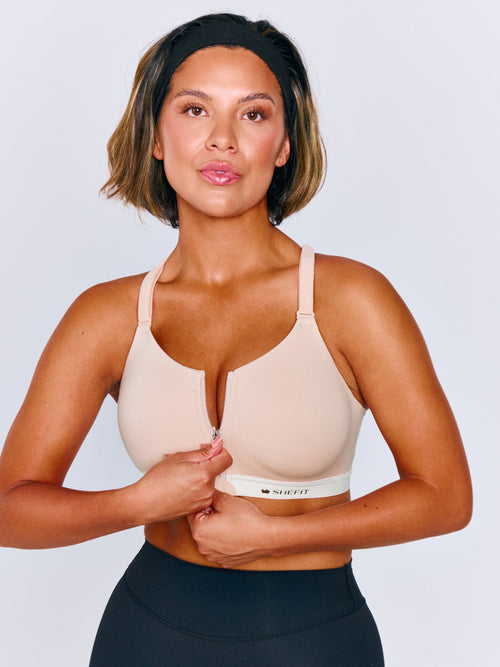
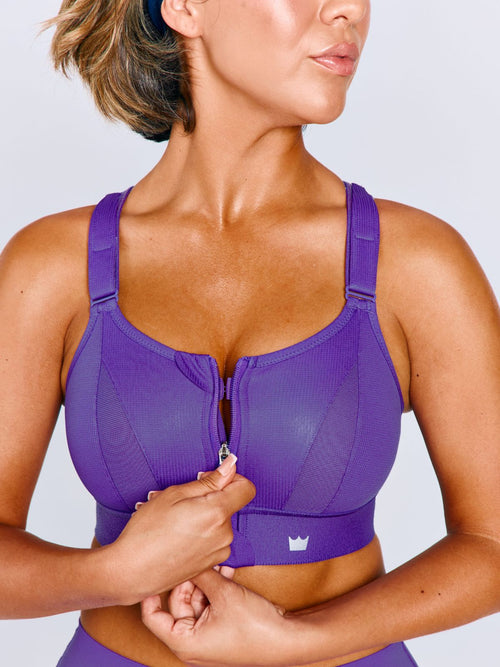
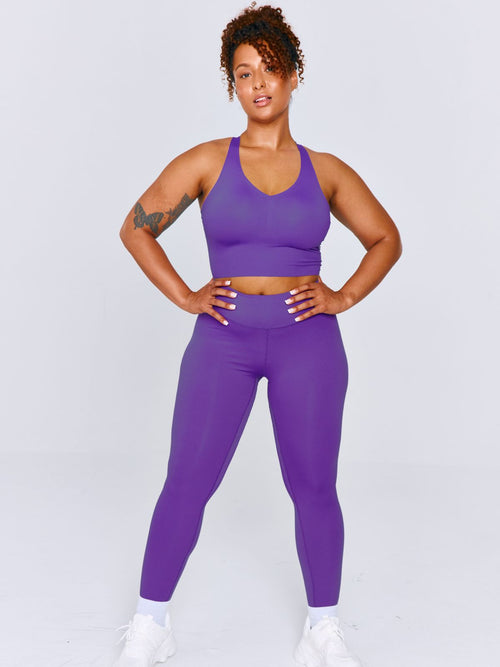
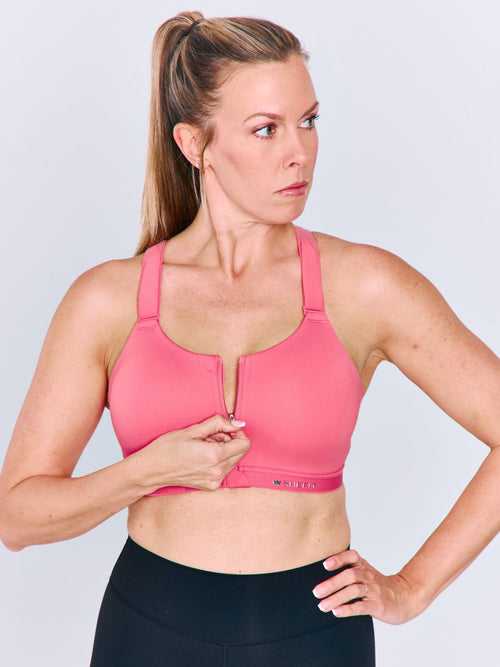
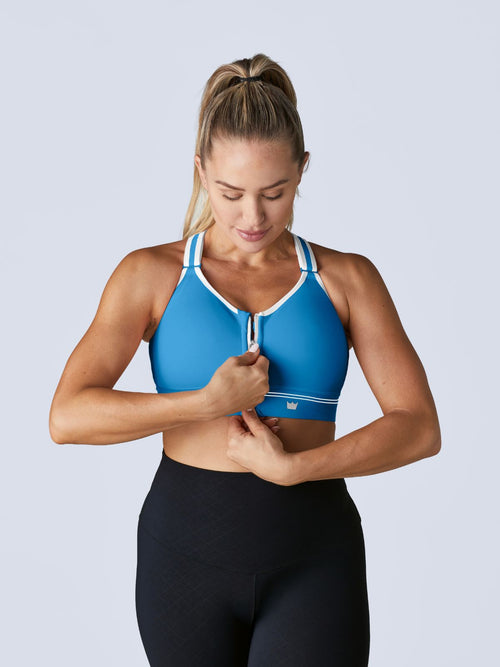
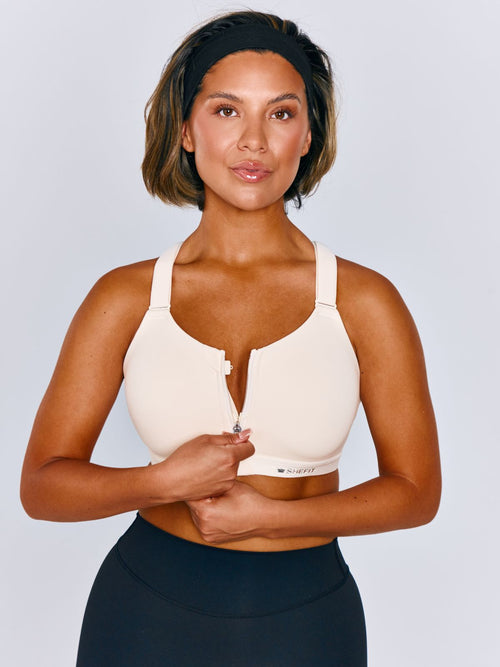
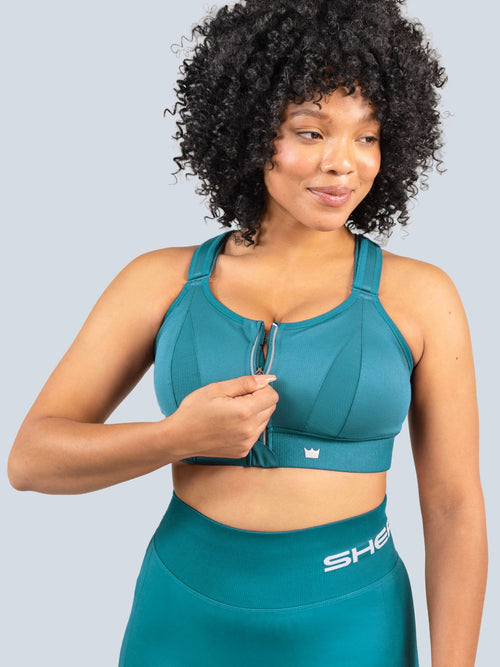
Range: True size-inclusive brands offer extensive sizing across both body and breast measurements. While mainstream brands typically max out at XL or 1X, size-inclusive options extend to 4X, 5X, or 6XL. More importantly, they account for breast size variation, offering cup sizes from AA through I or beyond. The Ultimate Sports Bra exemplifies this approach with sizes spanning 2XS-6XL and AA-I cups, using patented adjustable shoulder straps and rib band technology to accommodate different body types.
Design philosophy: These brands don't scale up a size 4 pattern and call it inclusive. They design specifically for larger busts, different torso lengths, and varying proportions. This means placement of seams and strategic use of both encapsulation and compression for maximum support.
Performance consistency: The hallmark of genuine size inclusivity is that a 4X performs as well as a small. The fabric doesn't thin out, the support doesn't weaken, and the durability doesn't decline. Women in all sizes get bounce-free movement, moisture-wicking performance, and construction that survives repeated wash cycles.
These standards reflect growing consumer expectations. One in three women now actively seeks extended size ranges when shopping for sports bras, and online sports bra sales continue climbing as shoppers look beyond limited in-store selections.
Why Size Inclusivity Matters in Activewear
The Impact on Fitness and Confidence
Poor-fitting activewear creates a cascade of problems that extend far beyond discomfort. When your sports bra doesn't provide adequate support, high-impact activities become painful or impossible. When leggings roll down every few minutes, you spend your workout adjusting clothes instead of focusing on form.
These barriers determine whether someone continues with fitness activities or quits altogether. More than half of women now buy sports bras online [1], partly because in-store options have historically failed to serve diverse body types.
The psychological impact matters equally. Constant wardrobe malfunctions during workouts erode confidence and create anxiety about exercise in public spaces. Women describe avoiding group fitness classes, running outdoors, or gym workouts specifically because their activewear doesn't work for their bodies.
Size-inclusive activewear removes these barriers. When sports bras actually eliminate bounce and leggings stay in place, women report feeling freer to try new activities and push their limits. Customer testimonials from women who found properly fitting activewear consistently emphasize newfound confidence in both athletic and everyday settings.
This demand has existed for decades and is finally being heard. Women in extended sizes have always wanted performance activewear. Brands are now recognizing that serving these customers means responding to decades of unmet need [2].
Choosing the Right Size-Inclusive Activewear for Your Body
Key Considerations When Selecting Activewear
Activity type determines your support and fabric needs. High-intensity workouts like running, HIIT, or CrossFit require maximum impact protection and bounce control. Lower-impact activities such as yoga, Pilates, or strength training need flexibility and range of motion. Cycling demands compression without restriction in specific movement planes.
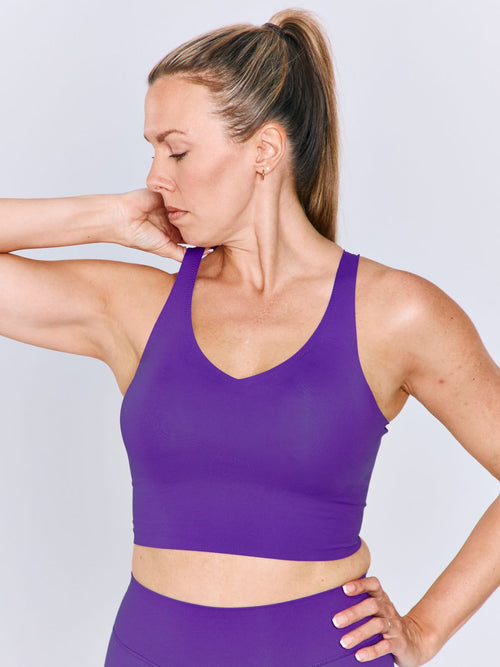
Match your activewear's impact rating to your primary activities. High-impact bras use encapsulation design that separates and supports each breast individually, combined with compression to minimize movement. The Flex Sports Bra provides high-impact support for smaller bust sizes (32C and under) and medium-impact support for larger sizes, making it ideal for varied-intensity activities like yoga, cycling, strength training, and pickleball.
Adjustability features matter most for size-inclusive fit. Static sizing forces your body to conform to the garment. Adjustable features let the garment conform to your body. Look for:
| Feature | Benefit |
|---|---|
| Adjustable shoulder straps | Customizes lift and spacing for breast position |
| Adjustable band closures | Accommodates ribcage size and breathing during activity |
| Multiple hook-and-eye positions | Fine-tunes fit as fabric stretches over time |
| Removable padding | Allows customization of coverage and shaping |
Fabric composition affects both performance and longevity. Polyester-spandex blends offer moisture-wicking and four-way stretch. Nylon provides durability and shape retention. Higher spandex percentages (15-20%) deliver compression and bounce control, while lower percentages (5-10%) suit activities requiring more mobility.
Construction quality separates activewear that survives 25+ wash cycles from pieces that lose shape after a few wears. Flat-lock seams prevent chafing, reinforced stitching at stress points prevents tearing, and quality elastic maintains compression over time.
How to Measure for the Perfect Fit
Accurate measurements make the difference between activewear that works and expensive closet clutter. Most women wear the wrong size because they guess or use outdated measurements.
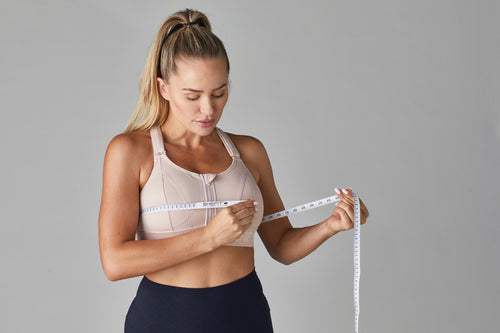
For sports bras, you need two measurements: band size and cup size. Measure your band size by wrapping a soft tape measure directly under your bust, parallel to the floor. Pull it snug but not tight. Round to the nearest even number. This is your band size.
For cup size, measure around the fullest part of your bust, typically at nipple level. Keep the tape parallel to the floor and relaxed against your skin. Subtract your band measurement from your bust measurement. Each inch difference represents one cup size (1 inch = A, 2 inches = B, 3 inches = C, and so on).
Common measurement mistakes to avoid:
- Measuring over a padded bra instead of directly on skin or over a non-padded bra
- Holding the tape measure too loosely, which understates band size
- Measuring bust at the wrong position (too high or too low)
- Using measurements from years ago instead of current dimensions
Many size-inclusive brands provide detailed size charts with visual instructions and fit recommendations based on activity level and breast size. Use them. Generic sizing charts don't account for the specific fit philosophy each brand employs.
For leggings and bottoms, measure your natural waist (narrowest part of torso), hips (widest part), and inseam (from crotch to desired hem length). Compare all three measurements to size charts rather than relying solely on numerical size labels, which vary dramatically between brands.
Best Brands for Size-Inclusive Activewear
Top Brands Catering to Every Body
The size-inclusive activewear market has expanded significantly, with brands approaching inclusivity through different philosophies and price points.
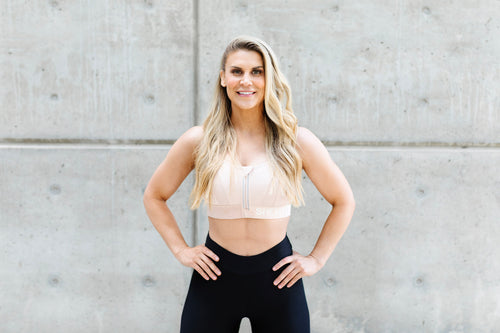
SHEFIT specializes in adjustable sports bras with patented adjustable shoulder straps and rib band technology, offering sizes 2XS-6XL and cup sizes AA-I. The non-stretch straps provide secure, personalized lift without the slippage common in traditional designs. Founded by Sara Moylan after struggling to find proper support as a breastfeeding mother and athlete, the brand's About SHEFIT story demonstrates authentic commitment to solving fit challenges for all breast types. University of Memphis research validates that SHEFIT's Ultimate Sports Bra reduces breast motion by over 50% during high-impact landing movements.
Juno Active focuses on plus-size activewear (sizes 12-32) with compression technology and anti-chafing features. Their sports bras use compression-focused designs rather than adjustable features, appealing to women who prefer pull-on styles.
Lane Bryant leverages its plus-size fashion expertise to offer activewear from sizes 14-32. Their LIVI Active line emphasizes moisture-wicking fabrics and performance features at accessible price points, making size-inclusive fitness wear available to budget-conscious shoppers.
Alala brings luxury performance wear to sizes XS-3X, combining technical fabrics with elevated design aesthetics. Their approach proves size inclusivity isn't incompatible with premium positioning.
Demand for size-inclusive activewear continues to grow, with sports bras leading the way as more brands recognize they've been leaving customers behind [3].
Reviews and Testimonials from Real Users
User feedback reveals what actually matters in size-inclusive activewear: whether the product solves the fit and support problems that drove the purchase.
Women with larger busts consistently emphasize bounce control and strap comfort. Complaints about traditional sports bras center on straps that dig in, bands that ride up, and inadequate support despite high-impact labeling. Positive reviews for size-inclusive options highlight elimination of these specific pain points.
The ability to customize fit ranks as a top satisfaction driver. Women describe feeling relieved to adjust shoulder straps, band tightness, and positioning instead of accepting an approximate fit. This customization becomes especially critical during hormonal fluctuations, weight changes, and postpartum periods when breast size and sensitivity vary.
Durability concerns appear frequently in reviews. Women investing in size-inclusive activewear expect it to maintain support and shape through dozens of workouts and wash cycles. Positive testimonials mention products lasting 6+ months of regular use without elastic degradation or fabric pilling.
The psychological impact surfaces repeatedly. Women describe trying high-impact fitness activities for the first time because proper support made them physically possible. Others mention feeling confident enough to join group fitness classes or outdoor running groups after years of avoiding them due to poor-fitting activewear.
Features to Look for in Size-Inclusive Activewear
Support and Comfort
Effective support combines encapsulation and compression strategically based on breast size and activity level. Encapsulation separates breasts using individual cups or seams, preventing breast-to-breast friction and distributing weight evenly. Compression holds breasts against the chest wall, minimizing up-and-down movement during impact activities.
Size-inclusive sports bras must increase encapsulation as cup size increases. A 32A breast weighs substantially less than a 36DD, requiring different support architecture. Higher cup sizes need wider, non-stretch straps to distribute weight without digging into shoulders. Lower cup sizes can use narrower straps while maintaining adequate support.
The band provides 80% of support, not the straps. A properly fitted band sits snug against the ribcage, remaining horizontal during movement. If the band rides up in back, it's too loose to provide adequate support regardless of strap adjustment. Adjustable band closures allow fine-tuning this critical support foundation.
Anti-chafing features become essential during longer workouts. Flat-lock seams lie flush against skin rather than creating raised ridges. Strategic seam placement avoids high-friction zones under arms, along the band line, and between breasts. Custom fit that stays in place prevents the repetitive rubbing that causes chafing in the first place.
University of Memphis research validates the importance of proper support design, showing that well-engineered sports bras can reduce breast motion by over 50% during high-impact movements across different breast sizes.
Moisture-wicking performance matters for comfort during extended wear. Polyester and nylon fabrics pull sweat away from skin, allowing evaporation. Cotton retains moisture, staying wet against skin and creating breeding grounds for bacteria. Size-inclusive activewear should maintain moisture management regardless of size category.
Durability and Style
Quality construction determines whether activewear survives six workouts or sixty. Reinforced stitching at stress points prevents failure where fabric tensions peak: around band closures, at strap connections, and along waistbands. Double or triple stitching in these zones costs manufacturers more but prevents the premature wear that erodes customer trust.
Elastic quality affects long-term performance. Premium elastics maintain compression and shape retention through 25+ wash cycles. Lower-quality elastics lose memory quickly, resulting in bands that stretch out, straps that loosen, and waistbands that roll down after a few months.
Fabric weight influences both durability and opacity. Lightweight fabrics feel comfortable but may become sheer when stretched, particularly in larger sizes where fabric extends further. Medium to heavyweight fabrics (200+ GSM) maintain opacity during movement while providing substantial support structure.
Style evolution in size-inclusive activewear has moved beyond basic black offerings. Women across all sizes want access to:
- Color variety and seasonal palette options
- Prints and patterns that complement rather than conceal
- Cut and design details beyond purely functional basics
- Versatile pieces that transition from gym to casual wear
The athleisure trend has increased demand for size-inclusive options that look good while performing well, with brands expanding beyond sports bras to offer full activewear lines that deliver style alongside function.
Sustainability features increasingly influence purchase decisions. Women want size-inclusive activewear made from recycled materials, manufactured under ethical labor conditions, and designed for longevity rather than disposal. Brands responding to these values gain loyalty from customers tired of fast-fashion approaches to activewear.
Empowering Confidence Through Proper Fit and Support
Proper fit transforms activewear from a source of frustration into an enabler of physical freedom. When sports bras eliminate bounce completely, women report feeling capable of high-impact activities they'd previously avoided. When leggings stay in place without constant adjustment, focus shifts from wardrobe management to workout quality.
The confidence impact extends beyond gym walls. Women describe feeling more comfortable in their bodies generally when their activewear fits properly. Properly fitting clothes eliminate the constant negative feedback loop of garments that fail during movement.
Size inclusivity in activewear signals broader cultural shifts toward recognizing diverse bodies as athletic bodies. When brands design performance wear for all sizes from the start rather than as an extension, they validate that fitness belongs to everyone regardless of size or shape.
The Sports Bra Project illustrates this principle in action, having donated over $1.2 million in sports bras to women in need. Access to proper athletic support shouldn't depend on economic privilege or body size. Size-inclusive brands working to remove these barriers create ripple effects beyond individual product sales.
FAQs About Size-Inclusive Activewear
What makes activewear truly size-inclusive?
True size inclusivity means extended sizing across both body dimensions and breast sizes, design that accounts for different proportions rather than scaled-up patterns, and performance features that work equally well across all sizes. Look for brands offering 6+ extended sizes, cup size options beyond DD, and adjustable features that customize fit.
How do I know if a sports bra will provide enough support?
Match the impact rating to your activities and prioritize bras designed for your specific cup size. High-impact activities require encapsulation for larger busts and adjustable features for custom fit. University research shows properly designed sports bras can reduce breast motion by over 50% [4]. Try the jump test: if you bounce, the bra isn't providing adequate support.
Why is size-inclusive activewear more expensive?
Extended sizing requires different pattern making, more fabric, and often more complex construction (reinforced stitching, wider elastic, supportive structures). Quality size-inclusive pieces use premium fabrics and hardware that maintain performance through dozens of wears. The cost reflects genuine design and material differences, not arbitrary markups.
Can I trust online sizing for activewear?
Yes, if you measure accurately and use brand-specific size guides. Generic sizing charts don't account for each brand's fit philosophy. Take fresh measurements following the brand's instructions rather than relying on numerical sizes, which vary dramatically between manufacturers. Many size-inclusive brands offer detailed fit guidance and customer service support for sizing questions.
What's the difference between compression and encapsulation?
Encapsulation separates breasts using individual cups or seams, supporting each breast independently. Compression presses breasts against the chest wall to minimize movement. Most effective sports bras combine both technologies, using more encapsulation for larger cup sizes and more compression for high-impact activities.
How often should I replace my sports bras?
Replace sports bras when they lose compression, show elastic degradation, or no longer provide bounce control during activities. Quality pieces should last 6-12 months of regular use (3-4 times per week). Wash after each wear and air dry to extend lifespan. If the band stretches out or straps lose tension on the tightest adjustment, it's time to replace.
Do size-inclusive brands offer options beyond sports bras?
Yes. Size-inclusive activewear now includes a full range of athletic wear designed for diverse body types. Leading brands have expanded their offerings to include leggings, shorts, tanks, and complete activewear sets that maintain the same commitment to proper fit across all size ranges.
What activities require high-impact sports bras?
Activities with significant vertical movement require high-impact support. This includes running and plyometrics, along with horseback riding and high-intensity interval training or CrossFit workouts. Lower-impact activities work well with medium-impact bras, such as controlled movement exercises or cycling. Choose based on your highest-impact activity rather than average intensity.
References
[1] ShelfTrend. "Sports Bra Shopping Trends: What Women Want in 2025." shelftrend.com, July 2025. https://www.shelftrend.com/sporting-goods/athleisure-sports-bra-market-analysis-marketplace-opportunities-2025
[2] Mordor Intelligence. "Plus Size Clothing Market Growth Analysis And Forecast (2025 - 2030)." mordorintelligence.com, 2025. https://www.mordorintelligence.com/industry-reports/plus-size-clothing-market
[3] Market Research Future. "Women Activewear Market Report Through 2035." marketresearchfuture.com, October 2025. https://www.marketresearchfuture.com/reports/women-active-wear-market-41687
[4] Fong, H.B., Nelson, A.K., McGhee, D., Ford, K., & Powell, D.W. "Increasing breast support is associated with a distal-to-proximal redistribution of joint negative work during a double-limb landing task." Journal of Applied Biomechanics, 2022. https://www.memphis.edu/healthsciences/pdfs/jab-biomech-2023.pdf