Which Bra Is Right for You? Learn More

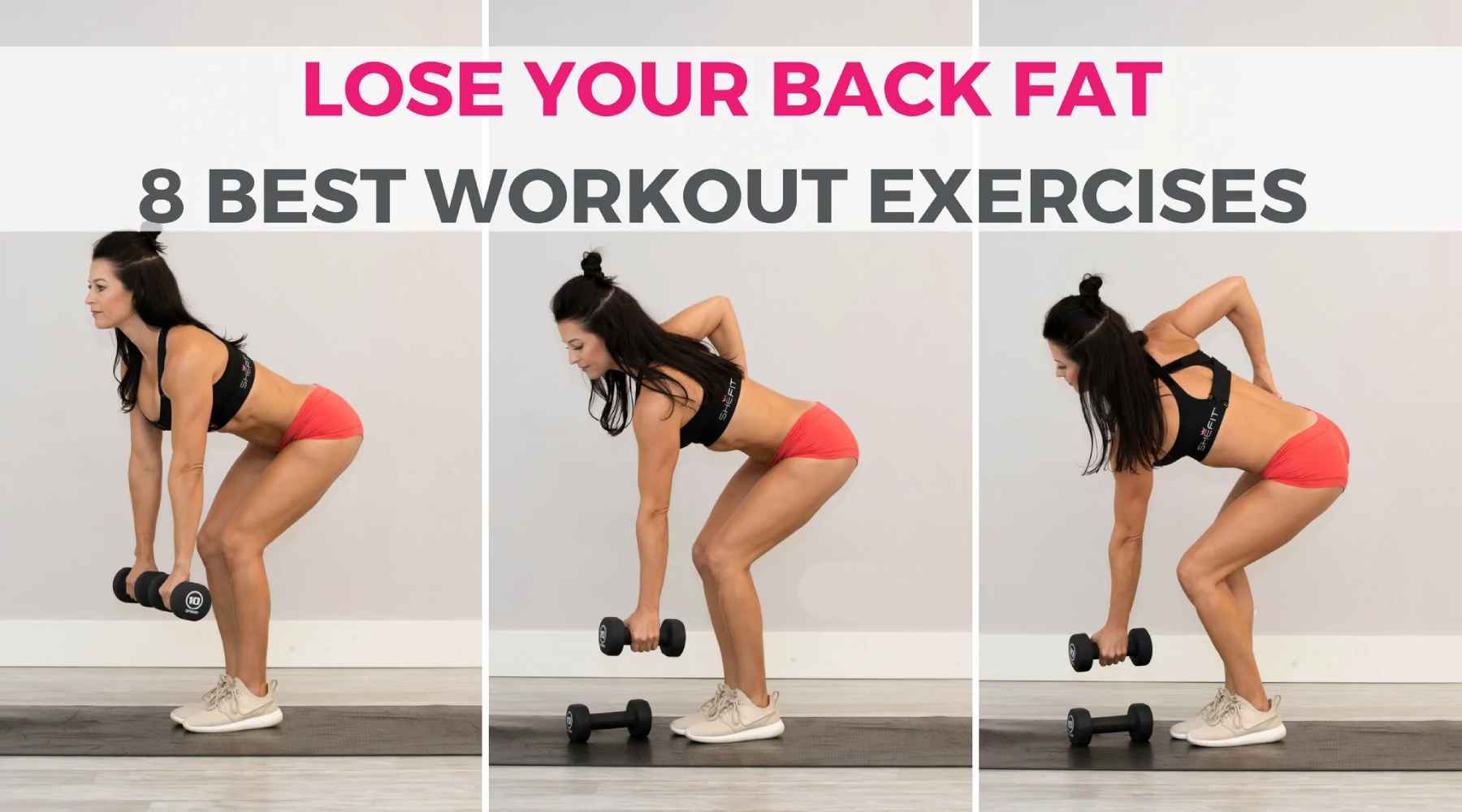
You can train your back at home with dumbbells, a mat, and room to move. Bent-over rows and reverse flys work your upper back, while bird dogs and other bodyweight movements challenge control around your trunk.
Below are eight exercise options, including both weighted and bodyweight moves. You do not need to perform all eight in one session. Start with movements you can control, then build a routine that fits your experience and goals.
Why Include Back Exercises?
Back exercises belong in a balanced strength routine alongside training for your legs, chest, shoulders, arms, and core. The aim is to build strength and practice controlled movement—not to promise a particular body shape or treat back pain.
If an exercise causes pain, stop. If you have ongoing back pain or an injury, ask a qualified healthcare professional which movements are appropriate for you.
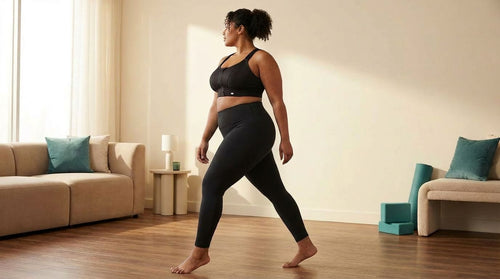
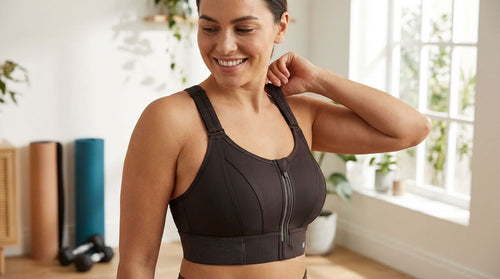
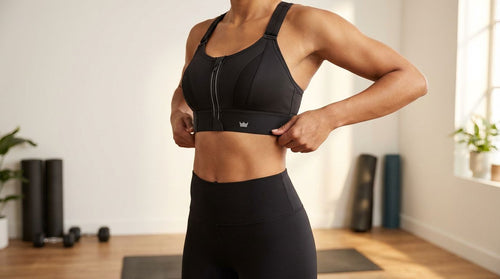
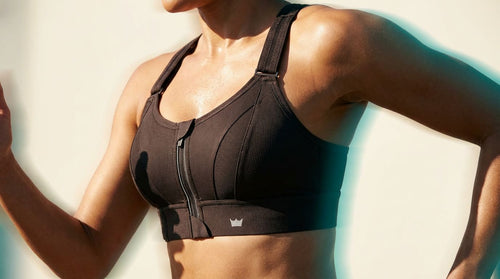
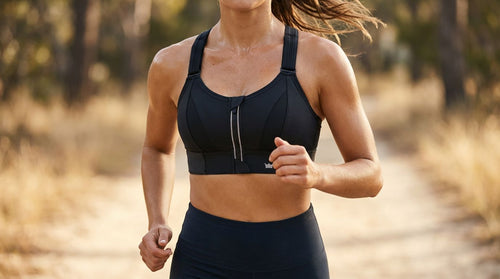
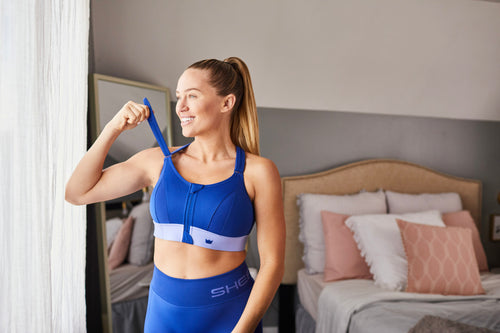
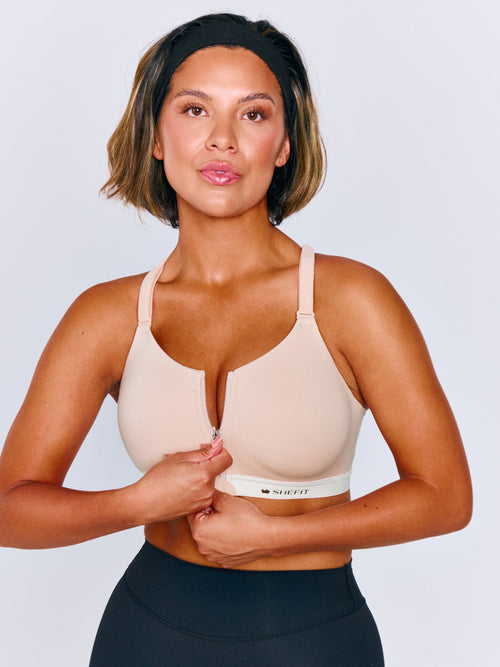
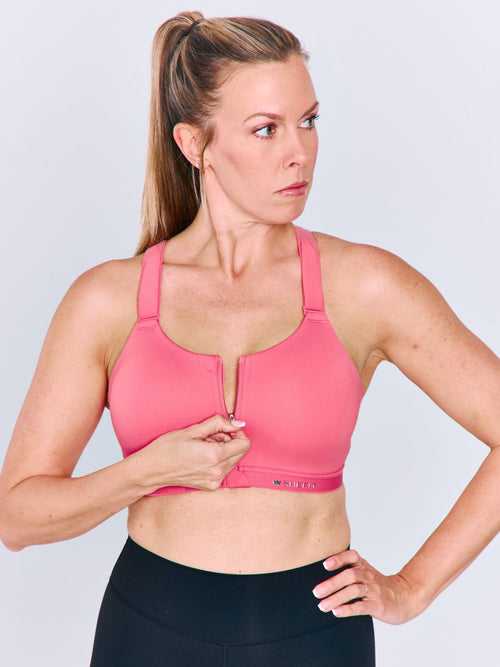
For workout comfort, choose a sports bra that feels secure as you hinge, reach, and row. Check the SHEFIT Fit Guide, or use the Bra Comparison to explore support options for the activities you do.
The Muscles to Target With Back Workouts
"Back" is such a broad term for the back muscle group. Your back is home to some of the larger muscles in your body, and it's often difficult to know which muscles you're working on when you're doing back exercises.
When most people think of back exercises, they focus on the upper body, like the trapezius - the large, triangular muscle that extends from the base of your neck to the middle of your back.
These are four useful muscle groups to understand when choosing back exercises.
Four Back Muscle Groups to Know
- Latissimus Dorsi (lats): These are the large, flat muscles that run along the sides of your back.
- Trapezius (traps): This is the muscle that extends from the base of your neck to the middle of your back.
- Rhomboids: These are small, triangular muscles that are located between your shoulder blades.
- Erector Spinae: This group of muscles runs along your spine and helps you maintain good posture.
When you're doing back exercises at home, it's important to target all of these muscle groups for a well-rounded routine.
Working All Four Major Back Muscle Groups
Different movements place different demands on your back. Rows involve pulling; reverse flys focus on your upper back and rear shoulders; hip hinges and floor exercises challenge the muscles that help control your trunk. Use these exercises as part of a balanced routine rather than expecting one movement to do everything.
How to Get Started
How Often Should You Train?
Start with two sessions a week and allow at least one full day between sessions that train the same muscles. More training days are not automatically better; recovery is part of the routine.
Choosing Sets, Reps, and Weights
For weighted exercises, one controlled set of about 12–15 repetitions is a practical starting point. Choose a load that makes the final repetitions challenging without changing your form. You may need lighter dumbbells for reverse flys than for rows. Increase resistance gradually when the current weight becomes easy.
Bodyweight holds are different from weighted repetitions. Keep holds brief enough to maintain comfortable breathing and control. Rest until you feel ready to repeat the movement with good technique; stop a set when control starts to slip.
Equipment and Warm-Up
Have a mat and dumbbells available. Begin with a few minutes of easy movement, then practice your chosen exercises without weights or with a lighter load. Avoid holding your breath during the workout.
8 Best Moves for Back Workouts at Home
1. Dumbbell Romanian Deadlift
This hip-hinge movement works your glutes and hamstrings while your back muscles help maintain your position. It does not include an upright row.
- Stand with feet about hip-width apart, holding dumbbells in front of your thighs.
- Soften your knees and move your hips backward, keeping the weights close to your legs.
- Lower only as far as you can maintain a comfortable, steady back position. The weights do not need to reach the floor.
- Drive through your feet and bring your hips forward to stand tall without leaning backward.
2. Bird Dogs
Bird dogs challenge trunk control as you reach with opposite limbs. Start with your hands below your shoulders and knees below your hips. Keep breathing and avoid shifting your hips or lifting your leg so high that your lower back arches. If the full movement is difficult, practice reaching one limb at a time.
Step 1: Start on all fours with your spine and shoulders neutral.
Step 2: Keeping your core engaged, extend your right arm and left leg out, forming a straight line between the two.
Step 3: Pause briefly while maintaining control, then return to the starting position.
Step 4: Alternate to your left arm and right leg, and continue repeating through your set.
Muscles Targeted:
Back, abdominal, and hip muscles that help you maintain a steady position.
3. Bent-Over Reverse Fly
This move is all about control and using your back muscles to raise the weights. Remember to exhale when you lift the dumbbells and inhale as you lower them back down. Be sure to engage the core to avoid bouncing while performing this movement.
Step 1: Start by standing with your feet shoulder-width apart and a dumbbell in each hand.
Step 2: Bend at the hips and lean forward and lower your weights toward the floor as your starting position.
Step 3: With a slight bend in your elbows, raise the weights out to the sides without shrugging or swinging. Stop at a comfortable height, no higher than shoulder level.
Step 4: Lower your arms to the starting position and repeat.
Muscles Targeted:
The reverse fly targets the upper back and rear shoulders. Use a lighter weight if you need momentum to lift it.
For the following floor exercises, use a small, comfortable range of motion. Keep breathing, avoid forcing your back into a deeper arch, and stop if you feel pain. Choose the option you can control; you do not need to do every variation.
4. Pilates Swimming
Concentrate on moving slowly and with purpose, and maintaining control of your body, which includes breathing slowly.
Step 1: Lie on your stomach with your arms and legs extended straight out from your body.
Step 2: Raise your arms and legs a few inches off the ground and begin pedaling them as if you were swimming.
Step 3: Continue only while you can keep the movement small and controlled, then lower and rest.
Muscles Targeted:
This movement challenges the back and hip muscles as you lift and lower opposite limbs.
5. Alternating Dumbbell Row
Use a steady torso for this row variation instead of twisting under load.
- Hold a dumbbell in each hand, soften your knees, and hinge forward at your hips.
- Let the weights hang below your shoulders with palms facing each other.
- Pull one elbow back toward your hip while keeping your torso still.
- Lower with control, then repeat on the other side.
This movement works your back and arms while you maintain your hinged position.
6. Prone Press-Up
This is a mobility option rather than a weighted back-strength exercise. Use your arms to gently raise your chest only through a comfortable range. Do not force the position.
Step 1: Grab a mat and lie down on your stomach.
Step 2: Position yourself so that your stomach and hips are resting on the surface with your legs extending in a straight line behind you.
Step 3: Place your elbows (beginners) or palms facing down on the mat, while lifting your upper back.
Step 4: Pause briefly without holding your breath.
Step 5: Lower to your starting position.
7. Bent Over Row
Keep your head in line with your back and look toward the floor a short distance ahead. Keep your torso steady as you row, and avoid shrugging or swinging the weights.
Step 1: Place your feet shoulder-width apart, and hold a dumbbell in each hand with your palms facing in.
Step 2: Bend at the hips and slightly lean forward and lower your weights toward the floor, letting them hang at arm's length from your shoulders.
Step 3: Bend your elbows and row the dumbbells up to your torso, tight on the waistline, and hold for a second. (Try to squeeze your shoulder blades when lifting up)
Step 4: Slowly lower your arms to the starting position and repeat.
Muscles Targeted:
This exercise is awesome for working your lats, and middle and lower traps.
8. Superman
Lift only a little and keep your neck comfortable. Do not strain to raise your limbs higher.
Step 1: Lie face down on a mat with your arms extended straight out in front of you and your legs extended straight out behind you.
Step 2: Raise your arms and legs a few inches off the ground and hold for 2 seconds.
Step 3: Lower your arms and legs back to the starting position and repeat.
Muscles Targeted:
This movement involves the muscles along your back and your glutes.
Finish at Your Own Pace
Finish with easy movement and any gentle stretches that feel comfortable. You do not need to force a stretch or reach a specific position.
Start with a manageable selection of these exercises and focus on form before adding weight. For another upper-body session, explore these dumbbell arm exercises. Allow recovery between sessions that work the same muscles.